
Self-care for mental health refers to the conscious practices and activities that help you feel steadier, less overwhelmed, and more able to get through the day. That includes rest, movement, decent meals, quiet time, support from other people, and simple habits that lower stress instead of adding to it.
It helps you manage stress, avoid burnout, and keep up with daily life. Self-care doesn’t look the same for everyone. What feels calming, useful, or realistic for one person might feel pointless or hard for someone else.
This isn’t about building a perfect routine or treating yourself every time life feels heavy. It’s about paying attention to what actually helps, then doing it more regularly.
Below, you’ll find practical self-care tips you can start right away, ways to turn them into a routine, and signs that it’s time to get extra support.
Self-Care for Mental Health Based on What You Need
Not every self-care habit solves the same problem. Some calm you down. Some lift low energy. Some help when you feel cut off from other people. Start with the part that feels hardest today. That gives you a clear place to begin.
Lower Stress and Feel More Grounded
When your mind won’t slow down, do something that helps your body settle first. Once your body is calmer, it gets easier to think and deal with what is in front of you.
Try one of these:
- take a short walk without your phone
- step away from noise for five or ten minutes
- do slow breathing for one or two minutes
- write down what is bothering you
- sit outside for a few minutes and stay still
Support Your Energy and Mood
If you feel flat, tired, or heavy, focus on the basics first. Food, water, movement, daylight, and rest do more for your mood than forcing yourself through a long to-do list.
Try things like:
- eat a real meal
- drink water
- step outside for fresh air and daylight
- move your body for a few minutes
- spend a little time on something you enjoy
Keep it simple. You are trying to lift your energy a little, not fix the whole day at once.
Stay Connected and Supported
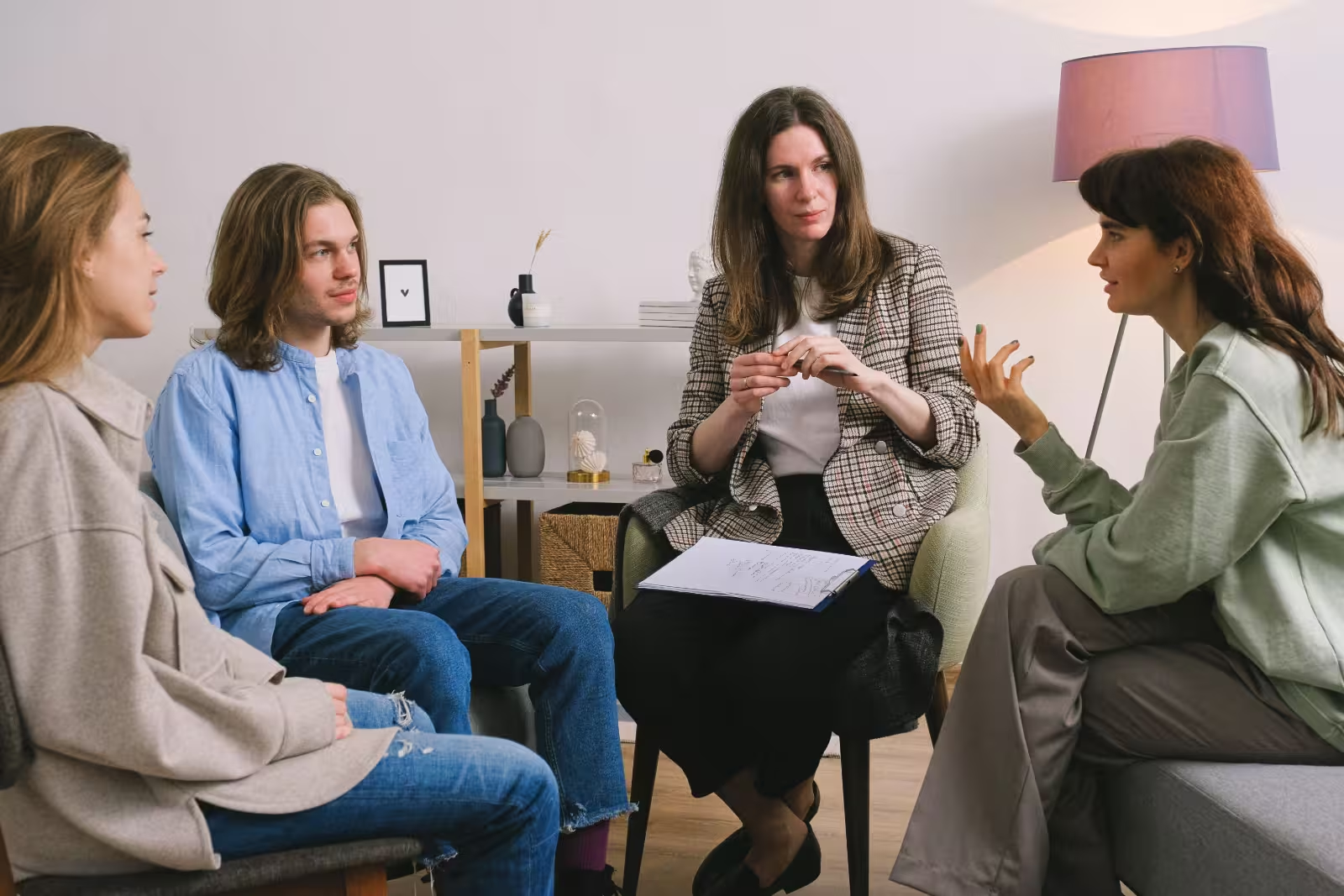
Self-care is not always something you do alone. Sometimes the most useful step is talking to someone, seeing someone, or asking for help with one thing.
That might look like:
- text a friend
- call a family member
- make a plan to see someone
- join a class, group, or community activity
- ask for help with one specific thing
You do not need a deep conversation every time. But don’t hesitate to reach out instead of sitting with everything by yourself.
“I struggled with getting my homework done for my college classes. I learned in therapy that what works best for me is to call and meet up with a friend to complete my assignments”.-TV
Low-Effort Self-Care for Hard Days
On some days, even basic tasks already feel hard. On those days, self-care should be easy, short, and realistic.
Keep a few low-effort options ready:
- wash your face
- change into clean clothes
- eat something simple
- sit somewhere quiet
- listen to music that helps you feel calmer
- lie down and rest for a few minutes
- do one basic task and stop there
This is not the day for a full routine of self-care habits. It is the day for doing small steps and lowering the bar.
Self-Care Ideas by Age
Self-care changes with age because daily life changes with age.
- Children ages 5 to 12: Arts and crafts, outdoor play, simple breathing, steady routines, and time with family or friends.
- Teens ages 13 to 18: Sports, journaling, breaks from social media, volunteering, and saying no to things that drain them.
- Adults ages 19 to 64: Exercise, mindfulness, hobbies, strong relationships, and counseling or therapy during hard periods
- Seniors ages 65+: Walking, tai chi, group activities, learning something new, time outdoors, and calming practices like deep breathing.
Reading Something That Resonates?
You don’t have to navigate these experience alone. if something you read connects with what you’re going through, support is available.
How to Turn Self-Care Into a Routine
Self-care gets easier when it has a place in your week. Don’t start with five new habits. Start with one or two things you can keep doing on an average week.
Start With One Need
Pick the part that feels most off right now. That might be stress, poor sleep, low energy, or feeling cut off from other people.
If everything feels off, start with the basics:
- eat at regular times
- sleep at about the same time each night
- move a little every day
- talk to someone you trust
A routine is easier to keep when you know what it is there to fix.
Pick Habits Small Enough to Keep Doing
Big plans fall apart fast. Smaller habits are easier to repeat, especially when life gets busy.
Try things like:
- drink water when you wake up
- take a short walk after lunch
- put your phone away thirty minutes before bed
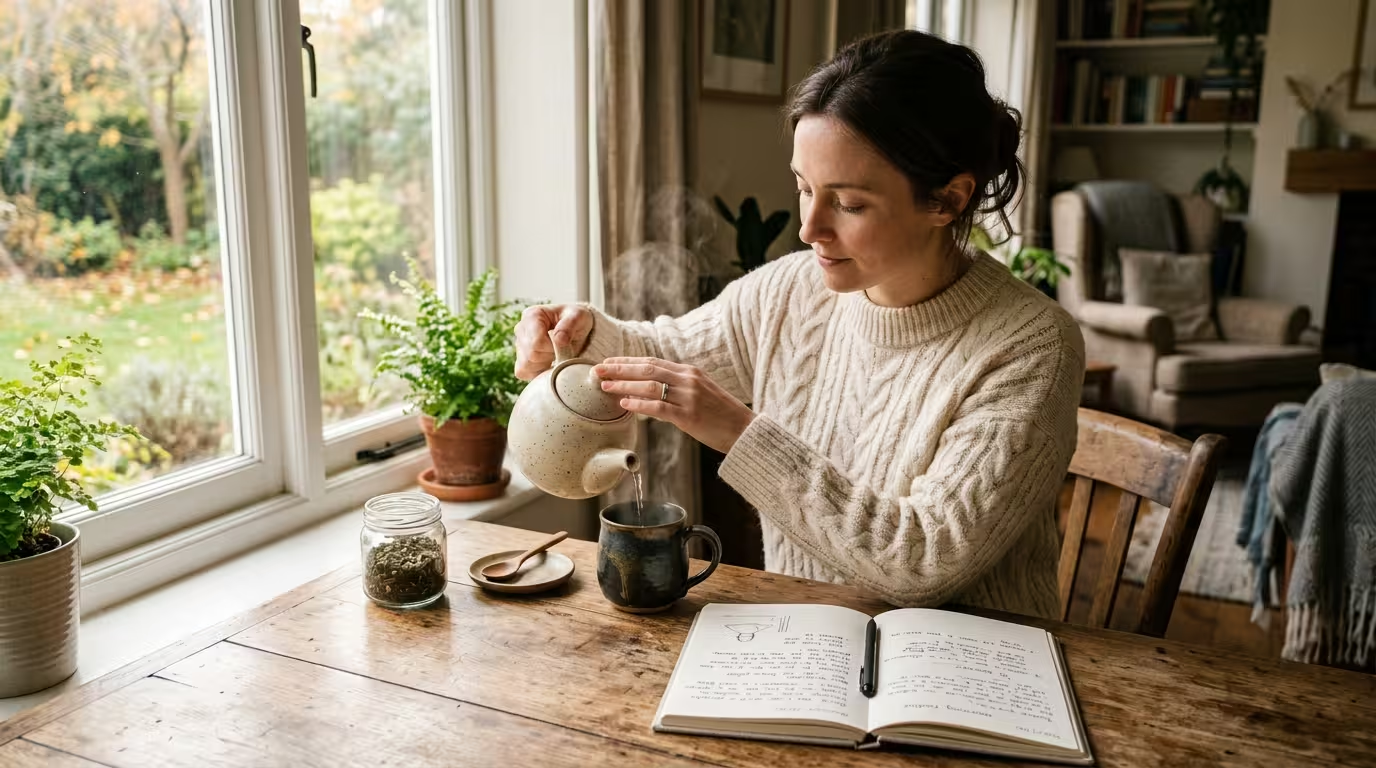
- write for five minutes at night
- text one friend every Friday
If it takes too much effort to start, make it smaller.
Give Each Habit a Set Time
Don’t leave self-care as something you hope to get to. Tie it to a part of your day or week.
For example:
- after breakfast, step outside for five minutes
- after work, take a short walk
- before bed, put your phone away
- on Sunday, plan a few meals for the week
A set time makes the habit easier to remember.
Change the Plan When It Stops Working
If a habit keeps falling off, change it. Make it shorter. Move it to a different time. Swap it for something easier.
Skipping a day is not the end of the routine. Start again the next day and keep the habit simple enough to return to.
Hiccups will occur. Give yourself grace! It doesn’t mean you are not progressing or you will never utilize self-care within your life. It just means try again the next day!
When to Get Extra Support
Self-care helps, but it has limits. If you still feel low, anxious, numb, angry, or overwhelmed for days at a time, and it starts affecting your sleep, work, school, relationships, or basic tasks, get help.
That might mean talking to a therapist, calling your doctor, telling someone you trust what has been going on, or contacting a mental health service near you. If you feel like you might hurt yourself or someone else, get urgent help right away through emergency services or a crisis line in your area.
Conclusion
Self-care for mental health works when it is simple and easy to keep. A short walk, a real meal, a quiet break, a call with someone you trust, or going to bed on time can make the day feel more manageable.
Start with what feels hardest right now. If stress is high, slow down first. If your energy is low, eat, rest, or move a little. If you feel alone, reach out to someone. Then do that same small action again tomorrow or later this week.
If self-care is not enough and daily life keeps getting harder, get help.